
WELCOME TO THE STEAM PLOUGH CLUB
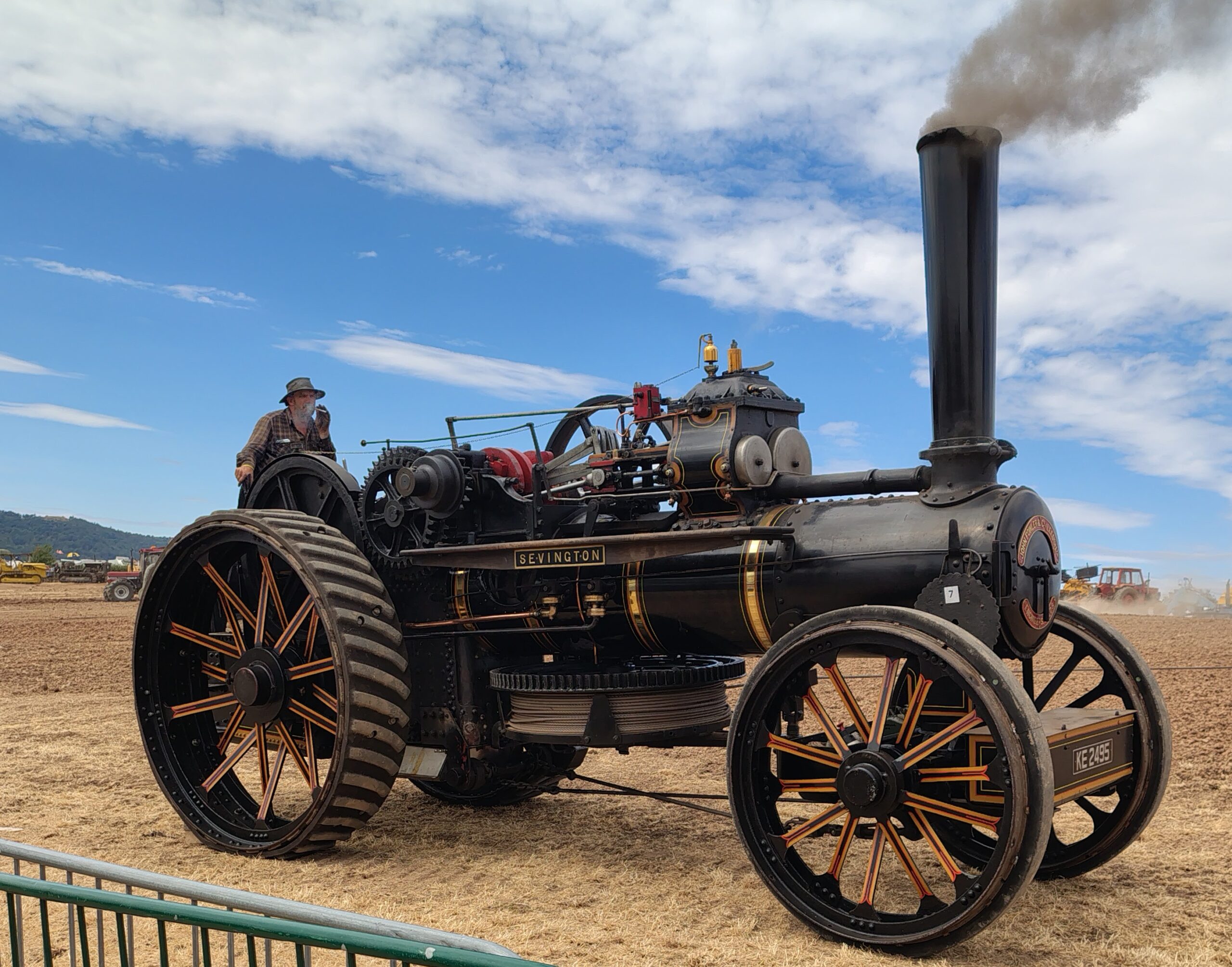
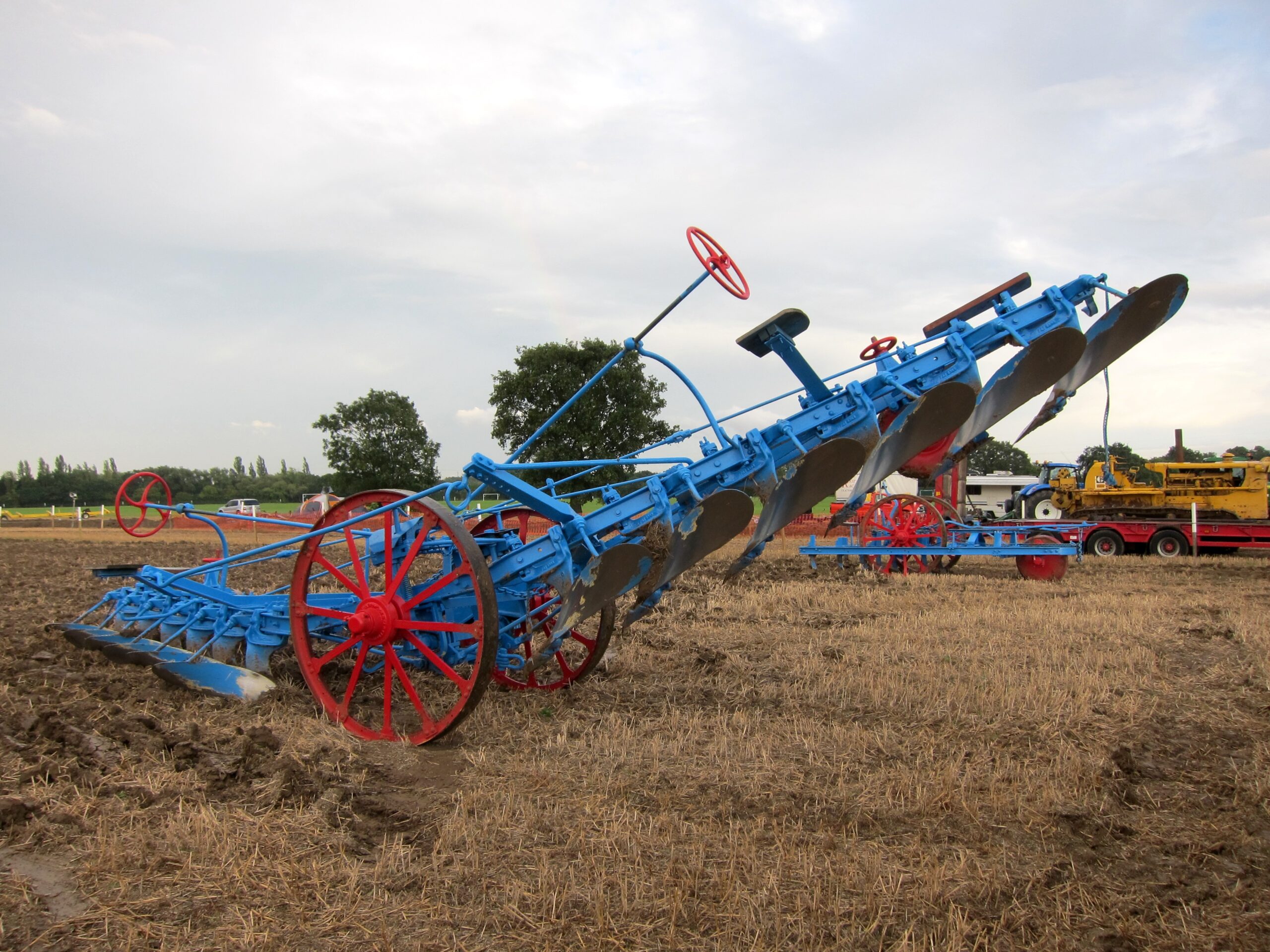
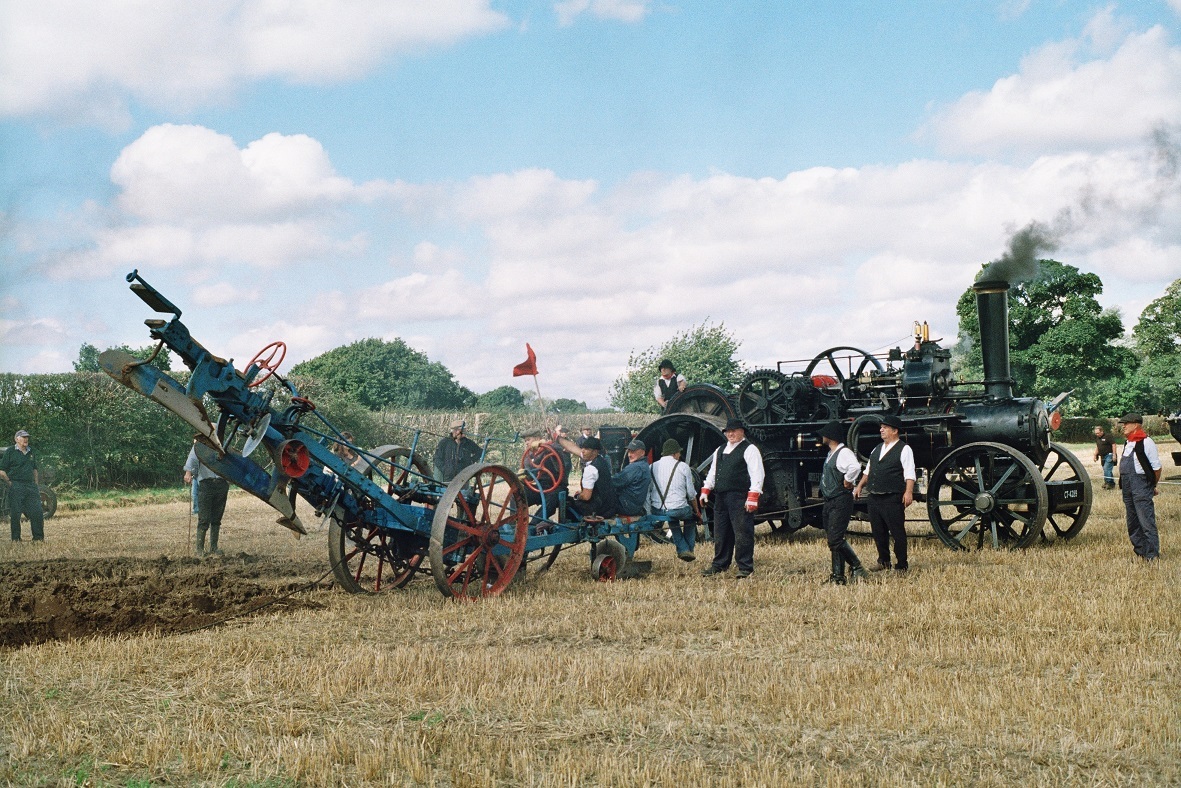
The Club has many members world wide interested in steam ploughing with its engines and implements, personalities and rich history.
Founded in 1966 by the late Harold Bonnett the club is about keeping the tackle operating; not just the machinery but passing on the old skills too.
Members of our Club would be pleased to have your help and assistance so that together we can give the steam plough engine its proper place in the history of British agricultural engineering.The club has a reputation for well organised events in an informal setting.
Members have every opportunity to participate whether they have engine ownership or not. This is your chance to leave your arm chair, put on your boots and live real steam on the land.
In 2026 the Steam Plough Club celebrates its 60th anniversary, Full details of our events are on our special anniversary page.
Latest News

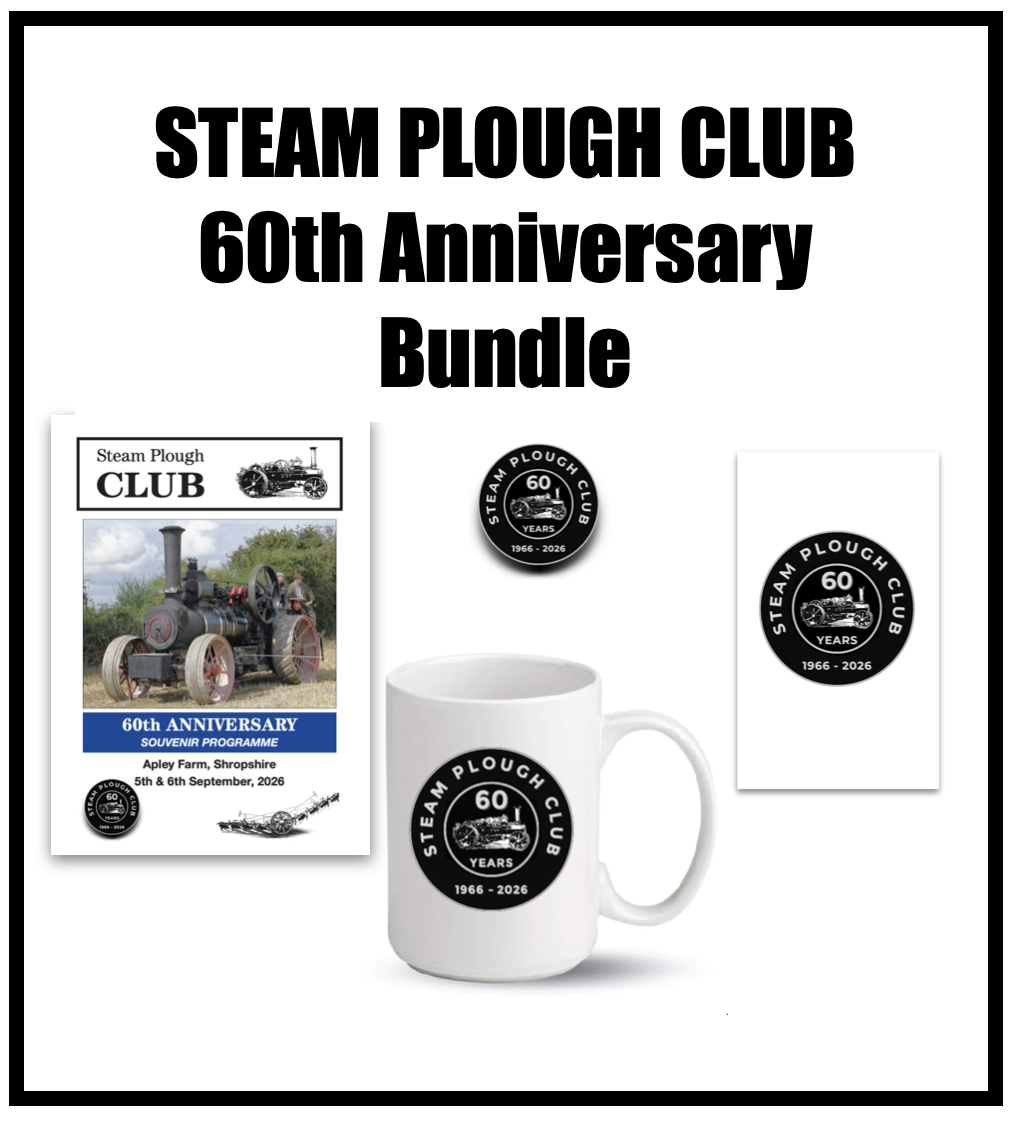
Steam Plough Club 60th Anniversary Programme




Become a member today!
Join The Steam Plough Club
Membership benefits:-
Technical advice
Working instructions for steam ploughing machinery
Safety guidelines for crews and event organisers
Engine & implement records
Engine classes identification
In-house publications & DVDs
The opportunity to meet like minded enthusiasts
Visits & meetings
Access to Steam Plough Times – A Searchable Index Of the Contents Archive.

Shop



Upcoming Events
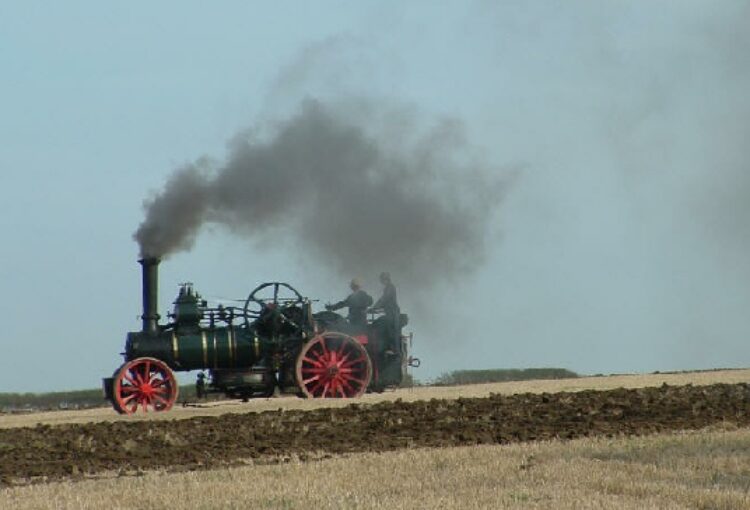
“The steam engine stands on the headland and hauls the implement to and fro by means of a wire rope. All treading and compression of the soil and sub-soil associated with horse cultivation is thereby entirely avoided and the implement is driven at a much more rapid pace, throwing up the soil to a greater depth and in a loose state enabling it to derive full benefit from the influences of the atmosphere”
David Greig, September 1867